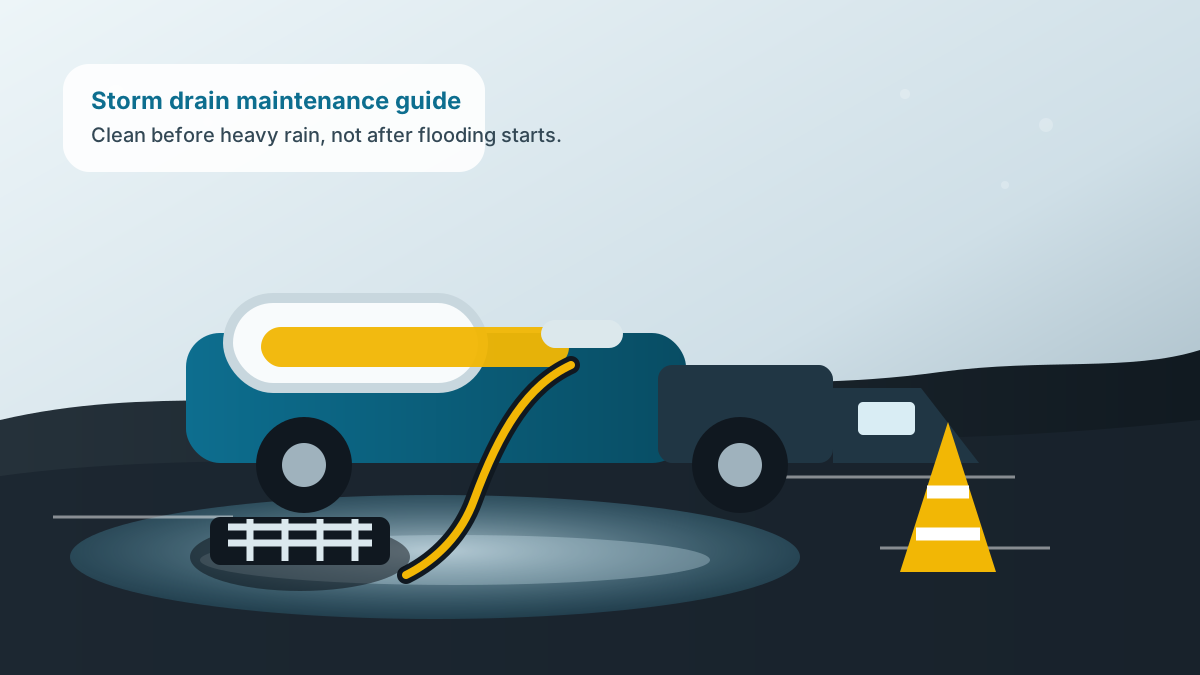
If a catch basin is full when the first major rainstorm hits, the problem usually shows up fast: water pooling in a parking lot, a loading bay that will not drain, a parkade ramp collecting runoff, or water creeping toward a building entrance. In the Lower Mainland, where heavy rain, leaf drop and sediment are constant realities, catch basin cleaning should be treated as preventive maintenance rather than an emergency-only service.
Recommended catch basin cleaning schedule
Once per year: normal commercial or strata sites
For many properties, annual catch basin cleaning is a sensible baseline. A yearly visit removes sediment, leaves, gravel and debris before the sump fills up and starts sending material downstream into the storm line.
Annual service is usually most effective in late summer or early fall, before the long rainy season and before leaf debris has a chance to overwhelm the system.
Twice per year: higher-risk drainage areas
Some sites collect material much faster than others. Twice-per-year service is worth considering when the property has:
- large trees dropping leaves and needles near drains;
- parking lots with heavy traffic, sand, gravel or winter road debris;
- construction, landscaping or soil movement nearby;
- parkade ramps, low points, loading bays or areas sloped toward buildings;
- catch basins that have backed up before;
- business interruption risk if flooding blocks access or affects tenants.
A common approach is one cleaning before heavy rain season and a second check after winter or after major site work.
After construction or paving work
Construction sediment can fill a basin quickly. If a property has had excavation, paving, landscaping, pressure washing or concrete cutting nearby, it is smart to inspect and clean the catch basins afterward. Sediment that gets pushed into the downstream storm line can cause repeated backups even after the basin itself is emptied.
Signs a catch basin needs service now
- Water pools around the grate during normal rain.
- The basin looks full of sediment, leaves, gravel or sludge.
- There is standing water in the sump after rainfall has stopped.
- Nearby storm drains gurgle, smell or drain slowly.
- Water is moving toward a building, parkade, loading bay or pedestrian area.
- The same drain backs up every storm.
If the same basin keeps backing up after cleaning, the issue may be downstream: a blocked storm line, root intrusion, crushed pipe, offset joint or inadequate grade. That is when hydro jetting, CCTV camera inspection and line locating become important.
What a proper maintenance visit should include
A catch basin visit should do more than remove visible debris from the top. For commercial and strata properties, a proper service plan may include:
- Vacuum removal of sediment, sludge, leaves and debris from the basin.
- Visual condition check for cracked lids, damaged structures, blocked outlets or signs of collapse.
- Hydro jetting / line flushing if debris has moved into the storm line or the outlet is slow.
- Camera inspection when backups keep returning or the line condition is unknown.
- Maintenance notes so property managers know which basins fill fastest and when to rebook.
Best timing in the Lower Mainland
The safest timing is usually before the weather forces the issue. Late summer and early fall are ideal because basins can be cleaned before the heaviest rain. A spring check can also make sense after winter debris, sanding, landscaping work or tenant complaints.
For properties with a known flooding history, do not wait for a storm warning. Scheduling ahead is usually cheaper and less disruptive than emergency response when multiple properties are flooding at once.
Property manager checklist
- Map the basins on the property and note which ones flood first.
- Check grates after heavy rain and during leaf season.
- Book annual cleaning as a baseline.
- Move to twice-per-year cleaning if sediment builds quickly or flooding risk is high.
- Request jetting or camera inspection when the same drain keeps backing up.
- Keep records for strata councils, tenants, insurance and maintenance planning.
Need catch basin service?
Book cleaning before the next heavy rain.
We provide catch basin cleaning, storm drain service, hydro jetting, camera inspections and drainage repair support across the Lower Mainland.