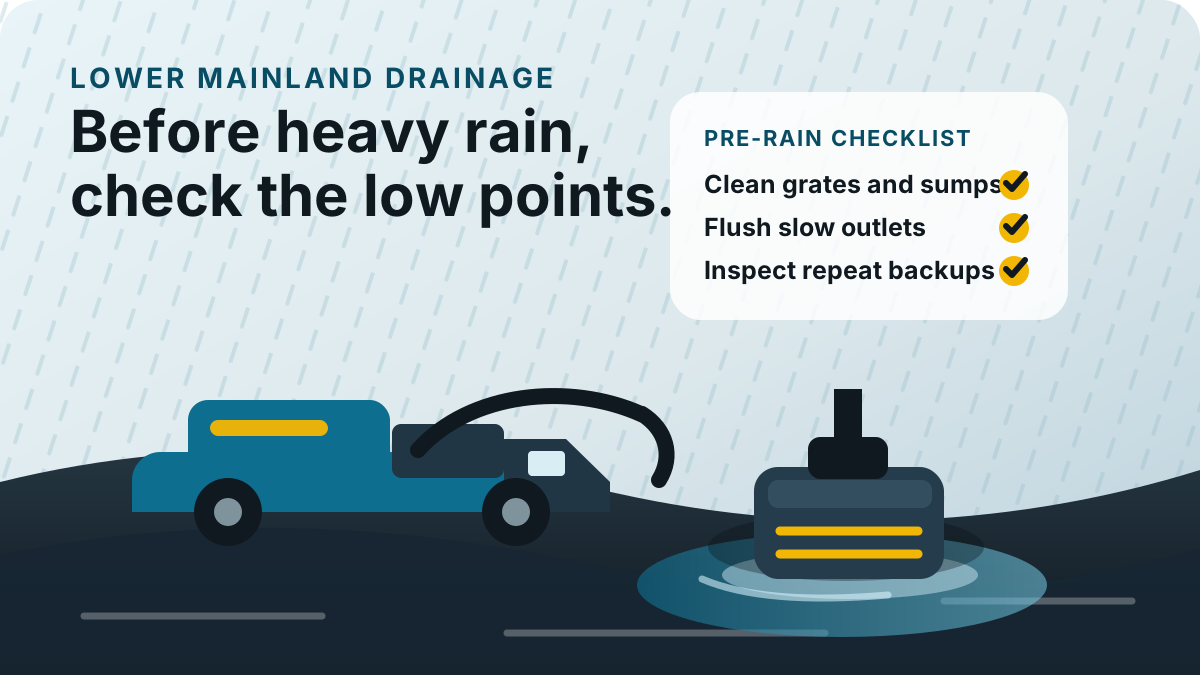
Parking lots collect more than rainwater. Leaves, needles, sanding material, gravel, soil, garbage and roof runoff all move toward the low points on the property. If those low points drain through catch basins that are already full, water has nowhere to go when a heavy rain band arrives.
Start with the low points, not the whole property
The fastest pre-rain inspection is a walk of the places where water naturally gathers. Look at loading bays, parkade ramps, curb returns, catch basin grates, back-of-building service lanes and the bottom of any sloped parking area. These are the locations that usually become urgent first.
- Is water already sitting around the grate after normal rain?
- Can you see sediment, leaves or garbage through the grate?
- Is the surrounding asphalt stained with silt or debris rings?
- Are tenants, customers or trucks forced to drive through pooled water?
- Could water reach a door, electrical room, elevator pit, parkade ramp or loading bay?
If the answer is yes to any of these, cleaning before heavy rain is usually safer than waiting for the basin to overflow.
When parking lot drain cleaning is enough
Parking lot drain cleaning is often straightforward when the issue is surface debris or sediment inside the catch basin sump. Vacuum removal clears the basin so it can hold sediment again and lets water reach the outlet instead of sitting around the grate. If loose material still covers the pavement, use the parking lot sweeping versus catch basin cleaning guide to separate above-grate cleanup from below-grate vacuum work.
This is common for commercial plazas, strata visitor parking, industrial yards, school and church lots, retail centres and paved contractor yards across communities such as Surrey, Burnaby, Langley, Vancouver and nearby Lower Mainland cities.
When the downstream storm line also needs attention
If the basin has been cleaned but water still drains slowly, the problem may be downstream. Sediment can move through the outlet and settle in the storm line. Roots, crushed pipe, offset joints or a belly in the line can also hold water and debris.
That is when a combined visit is more useful: clean the basin, flush the outlet, use hydro jetting where needed, and consider camera inspection and locating for repeat backups. This helps prevent the same low point from becoming an emergency every time the forecast turns wet.
Pre-rain checklist for property managers
- Walk the site after rainfall. Note where water remains after the rest of the lot has drained.
- Open or visually inspect safe grates. Do not enter confined spaces; look for visible sediment, leaves and garbage from the surface.
- Check high-risk edges. Focus on doors, ramps, loading bays, pedestrian routes, tenant entrances and areas near electrical or mechanical rooms.
- Review flood history. Any basin that has backed up before should be cleaned or inspected before the heavy-rain season.
- Book combined service for repeat issues. Ask for cleaning plus jetting or camera inspection if the same drain keeps slowing down.
- Keep notes. Basin counts, access instructions and problem locations make the service visit faster and help future maintenance planning.
What to tell the drainage crew when you call
Useful dispatch details include the site address, number of basins, whether water is actively pooling, the property type, access limitations, parkade height restrictions, and whether the problem is urgent or scheduled maintenance. Photos of the grate, pooled water and nearby landmarks can also help the crew understand the site before arrival.
For active flooding or water moving toward a building, use the phone first. Follow the active parking lot flooding guide to protect access, identify the water path and prepare a concise site brief. For planned maintenance, the service request form is best because you can include basin counts, notes and scheduling details.
Need parking lot drains checked?
Clean the basin before the next heavy rain.
Lower Mainland Catch Basin Service handles catch basin cleaning, storm drain service, hydro jetting, camera inspections and drainage repair support for Lower Mainland commercial, strata and industrial properties.