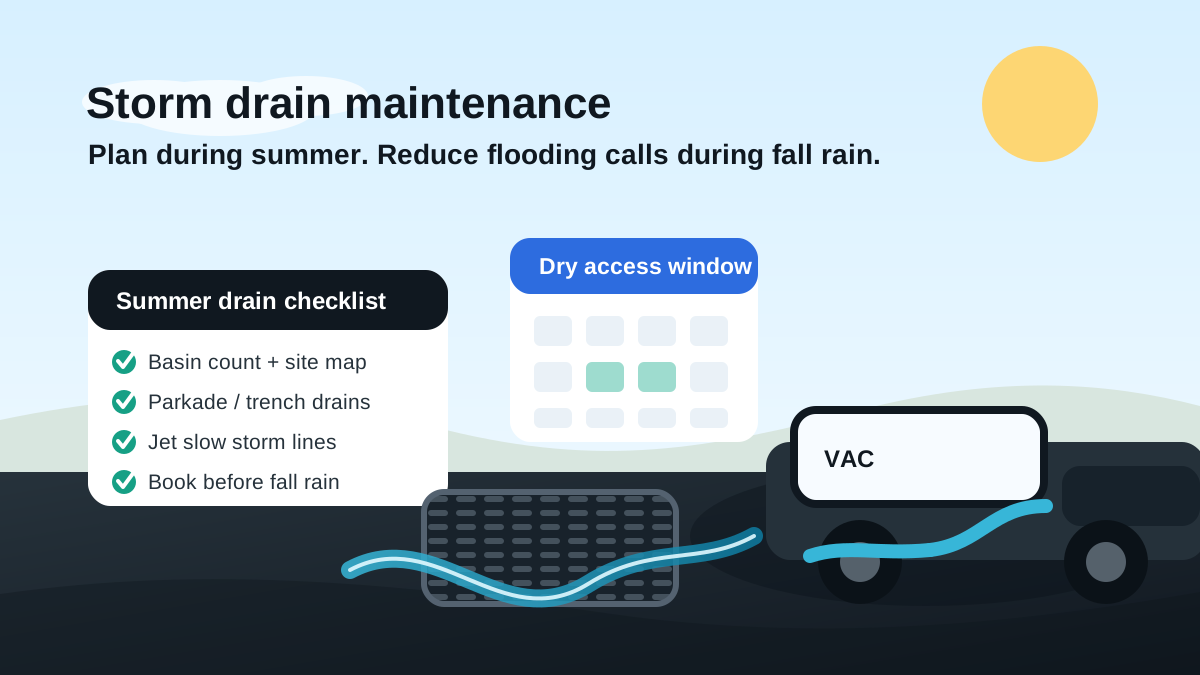
Late summer is a useful low-pressure window for storm drain maintenance across the Lower Mainland. Property managers can combine a short dry-weather walk with observations from the next safe rain event, then send one clear scope before sustained fall rain makes access and scheduling more reactive.
Why late summer is the right time to scope storm drains
Lower Mainland drainage problems usually become obvious during rain, but they are easier to scope between storms. In a dry window, you can see silt rings, leaves, pavement settlement, cracked grates, damaged concrete collars and blocked trench drains. After a safe rain event, photos can show the low points and flow paths that disappear once the pavement dries.
For commercial, strata and industrial properties, this is not about cleaning every grate on the same schedule. It is about identifying which private drainage assets are full, which ones threaten higher-consequence areas, and which repeat problems point beyond the basin to the storm line.
A five-step pre-fall storm drain site walk
1. Count every catch basin, trench drain and low-point grate
Start with a simple site map. Use the printable commercial storm drain maintenance record to keep labels, observations and service history consistent from this site walk to the next. Count parking-lot basins, parkade trench drains, loading-bay drains, courtyard drains, garbage-area drains and grates near building entrances. Mark the site entrance and any gates, clearance limits or hose-routing constraints that affect access.
2. Photograph pooling after rain—from a safe location
After a normal rain event, photograph water that remains at low points, sediment fans, debris rings and the direction runoff is travelling. Do not enter moving water, step into traffic routes or lift grates for a photo. A wide site view plus a safe close view usually gives enough context for initial scoping.
3. Rank drains by building and operational risk
Prioritize drains near doors, parkade ramps, elevators, electrical or mechanical rooms, loading docks, tenant entrances, pedestrian routes and active industrial work areas. Routine parking-stall basins still matter, but drains that can send water toward a building or interrupt operations belong at the top of the list.
4. Clean full basins before sediment reaches the outlet
Visible sump sediment, debris near the outlet, recurring surface rings or an unknown service history can justify a cleaning scope. Use the full-basin warning-sign guide, then group the affected locations into one commercial catch basin maintenance request rather than treating each grate as a separate visit.
5. Flush or inspect repeat backups after cleaning
A clean basin can still drain slowly when the downstream storm line is restricted. If water remains above the outlet or the same location backs up again, line flushing addresses the pipe rather than the sump. Repeated trouble after cleaning or flushing, an unknown route, or a repair decision may call for camera inspection and locating.
Parkade ramps need their own parkade drain cleaning scope. For truck approaches and dock doors, use the loading-bay drain cleaning scope. Large sediment-producing sites can also use the industrial-yard catch basin checklist.
Where summer maintenance has the strongest payoff
Summer storm drain maintenance is useful anywhere on the property, but it has the highest payoff where water would quickly disrupt building operations or tenant access.
- Commercial parking lots: basins near storefronts, curb returns, pedestrian crossings and loading areas.
- Strata complexes: parkade ramps, visitor parking, courtyard drains, garbage rooms and low walkways.
- Industrial yards: low work areas, truck routes, washdown areas and catch basins collecting gravel or soil.
- Retail plazas: drains near storefront entrances, cart corrals, loading doors and high-traffic parking rows.
- Construction or recently paved sites: basins that may have collected sediment from grading, landscaping, concrete cutting or asphalt work.
City-specific drainage notes for the Lower Mainland
Local site conditions change how maintenance should be scoped. Older private storm lines in Vancouver, dense commercial lots in Burnaby, flat parking areas in Richmond, large retail and industrial yards in Surrey, and busy strata or commercial sites in Port Coquitlam, Coquitlam and Port Moody all benefit from documenting the worst drains before rain returns.
The right summer scope may be different for each property: one site needs a full catch basin cleanout, another needs parkade trench drains cleared, and a third needs jetting because the basin is already clean but the line is slow. That is why a good request includes the property type, basin count and problem locations rather than only asking for a generic drain visit.
What to send before booking pre-fall service
A useful service request lets the service team understand access and decide whether cleaning, jetting or inspection should be scoped. Before you request service, gather:
- Property address, city and the correct site entrance.
- Approximate basin and drain count, including the number of known problem locations.
- The preferred access window, parking restrictions, gate process and parkade clearance.
- The lowest or highest-consequence drain and what sits nearby.
- Whether the same location has pooled or backed up before, including recent cleaning or line-work history.
- Safe photos showing the grate, surrounding pavement and after-rain pooling without exposing people, plates or private paperwork.
FAQ: summer storm drain maintenance
Should a property wait until fall to clean catch basins?
Waiting until fall can work for low-risk properties, but summer is usually easier for planned maintenance. The site is easier to inspect, scheduling is less reactive, and problem basins can be cleaned or investigated before the first long wet stretch.
Is catch basin cleaning enough for a slow storm drain?
Sometimes. If the basin sump is full of sediment, cleaning may restore capacity. If the basin is empty but water still stands high or returns after service, the downstream pipe may need hydro jetting or camera inspection.
How often should commercial storm drains be checked?
Most sites should be reviewed at least annually, with more frequent checks for heavy leaf cover, industrial sediment, parkade ramps, construction activity, low parking lots or repeat flooding. The property manager maintenance schedule gives a full annual planning framework.
What is the fastest way to get a useful quote?
Send the basin count, property type, city, photos if available, access restrictions and the exact problem areas. The catch basin cleaning quote prep guide has a more detailed checklist.
Build the maintenance plan before the rain makes it urgent
Planned maintenance is easier to coordinate than an emergency flood response. Use summer to group the catch basin cleaning, parkade drain work, hydro jetting and camera inspection decisions into one practical site plan. That gives owners, strata councils and facility teams clearer budgeting and reduces the chance of a preventable parking-lot or parkade flooding call later in the year.
Plan late-summer storm drain maintenance
Scope catch basin and storm drain service before fall rain.
Lower Mainland Catch Basin Service helps commercial, strata and industrial properties with catch basin cleaning, storm drain maintenance, hydro jetting / line flushing, camera inspections, private drainage locates and drainage repair coordination.