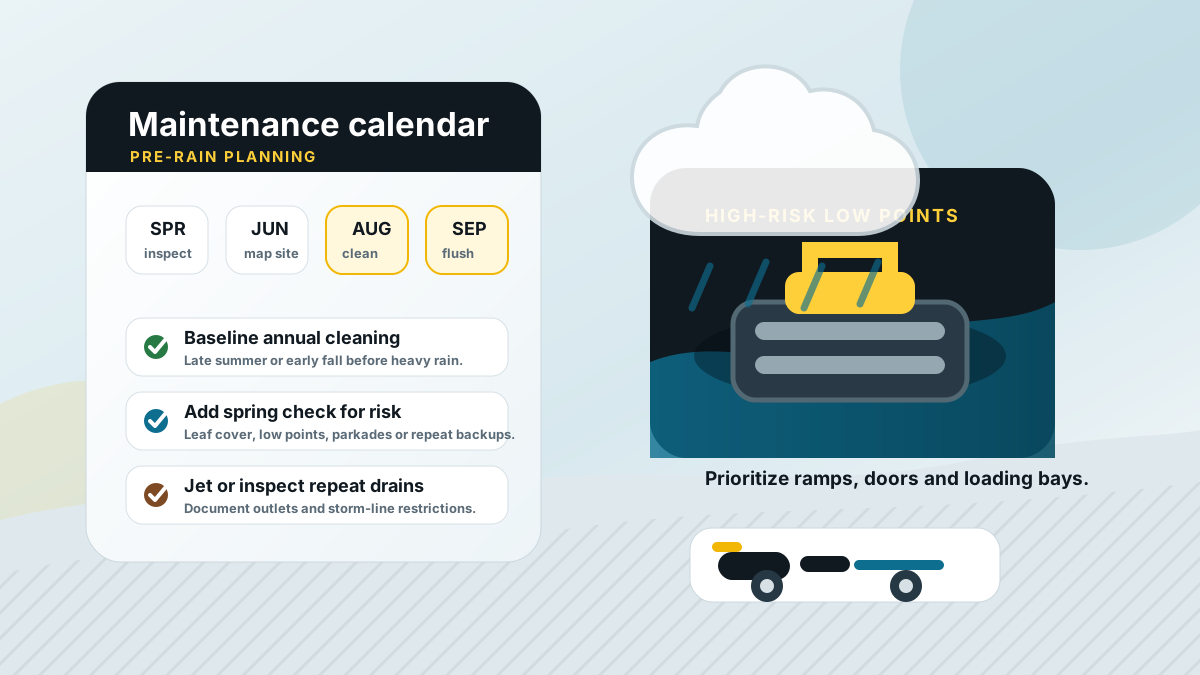
Catch basin maintenance is easiest when it is planned before the forecast turns urgent. In the Lower Mainland, one week of heavy rain, leaf debris or construction sediment can turn a normal parking lot into a blocked loading bay, slow parkade ramp or tenant complaint. A written schedule gives property managers a repeatable way to decide which basins need routine cleaning, which drains need line flushing, and which problem locations deserve camera inspection before the next rainy season.
Why a maintenance schedule beats emergency-only drainage calls
Emergency response is still the right choice when water is moving toward doors, electrical rooms, elevators, loading areas or occupied space. But relying only on emergencies makes budgeting harder and usually means the crew arrives after the property is already disrupted.
A scheduled approach lets you group work, provide access notes, identify the highest-risk drains and keep records for owners, strata councils, tenants or facility teams. It also gives the crew time to plan the right scope: vacuum cleaning only, cleaning plus jetting, or cleaning with camera inspection for repeat issues.
A practical 12-month catch basin maintenance calendar
January to March: review the winter trouble spots
After the heaviest winter rain, collect notes from tenants, site staff and previous service calls. Mark any drain that flooded, drained slowly, smelled, overflowed, or left silt rings around the grate. These are the locations that should move up the priority list before the next rain cycle.
- Flag low points near parkade ramps, loading bays, garbage rooms and building entrances.
- Note drains affected by sanding material, gravel, soil, leaves or roof runoff.
- Compare repeat problem basins against prior cleaning or jetting history.
April to June: inspect, map and prepare access notes
Spring and early summer are good times to walk the property while drainage problems are less urgent. Build a simple basin list with the site address, basin count, high-risk locations, gate codes, parkade clearance, hose-routing notes and any restricted access windows. This makes the service request easier to scope and reduces delays on site.
July to September: book the main pre-rain cleaning
For most Lower Mainland commercial and strata properties, late summer or early fall is the best window for the main cleaning. Basins can be emptied before the longest wet periods and before heavy leaf drop pushes more organic debris into grates and storm lines. If the property has a history of flooding, do not wait for a storm warning to book.
October to December: watch leaf load and repeat backups
During leaf season and early winter rain, check the known low points after storms. If water is pooling even after basin cleaning, the issue may be the outlet or downstream storm line. That is the time to add hydro jetting, line flushing or camera inspection rather than repeatedly cleaning the same basin without finding the cause.
Rank every drain by flood risk, not just by basin count
Some properties have dozens of basins, but not every basin carries the same risk. A schedule becomes more useful when each location is sorted by what happens if it fails.
- Priority 1 — protect buildings and operations: drains near doors, electrical rooms, elevators, parkade ramps, loading bays, pedestrian routes, tenant entrances and low industrial work areas.
- Priority 2 — reduce repeat service calls: basins with heavy sediment, tree cover, roots, construction debris, recurring silt rings or a history of slow drainage.
- Priority 3 — routine site capacity: normal parking-lot, curb and yard basins that should be cleaned annually but have not shown urgent flood risk.
This ranking helps property managers decide whether to clean all basins together, group high-risk drains first, or add jetting and inspection to specific low points.
When to move from cleaning to hydro jetting
Vacuum cleaning removes the material sitting in the basin. Hydro jetting or line flushing addresses the pipe that carries water away from the basin. If the sump has been emptied but water still sits above the outlet, drains slowly or surges back during moderate rain, the restriction may be downstream.
Jetting is especially useful for flat commercial lots in Richmond, industrial yards in Delta, large parking areas in Surrey or Langley, and older private storm lines in Vancouver, Burnaby and New Westminster. Sediment can move beyond the basin and settle where the pipe is flat, offset or partially blocked.
When camera inspection and locating should be scheduled
Camera inspection is worth adding when the same basin keeps backing up after reasonable cleaning and flushing, when the storm-line route is unknown, or when a repair decision needs documentation. A camera run can help identify roots, bellies, crushed pipe, offset joints, broken sections or unexpected routing. Locating helps confirm where the private drainage line runs before repair planning or future maintenance work.
For repeated issues, pair the camera findings with drainage repair planning or a revised maintenance schedule. The goal is to stop paying for the same emergency over and over without knowing whether the cause is debris, pipe condition or site grading.
Schedule ideas by property type
Strata and multi-building complexes
Focus on parkade ramps, trench drains, visitor parking, garbage rooms, courtyard drains and low walkways. A spring check plus late-summer cleaning is often useful when trees, needles or parkade sediment build up quickly. See also the parkade drain cleaning guide for strata buildings.
Retail plazas and commercial parking lots
Prioritize basins near storefront entrances, curb returns, loading zones and pedestrian paths. If customers or delivery trucks drive through pooled water, the issue becomes a visibility and tenant-relations problem, not just a drainage problem. The parking lot drain cleaning checklist covers what to inspect before heavy rain.
Industrial yards and contractor sites
Industrial properties often collect gravel, soil, leaves, vehicle debris and washdown sediment faster than a typical parking lot. These sites may need more frequent basin cleaning and planned line flushing so material does not move downstream into the private storm system.
Recently paved, landscaped or constructed sites
After paving, excavation, landscaping, concrete cutting or pressure washing, inspect the catch basins even if the annual cleaning was already completed. Construction sediment can fill a sump or settle in the storm line quickly, creating a repeat-backup problem during the next rain.
What to include in the service request
The best request gives enough detail to choose the right crew, equipment and scope. Include the property address, exact problem location, number of basins, known low points, photos if available, whether water is actively pooling, and any access restrictions such as gates, parkade clearance, loading-bay timing or hose-routing distance.
- For urgent flooding, call first so the active risk can be triaged quickly.
- For planned maintenance, use the service request form and include basin counts, site notes and preferred timing.
- For repeated backups, mention the last cleaning date and whether jetting or camera inspection has already been attempted.
Internal records that make next year easier
Keep a simple maintenance file after each visit: date, basins cleaned, sediment level, outlet condition, drains flushed, camera findings, photos and recommended next interval. Over time, this shows which basins can stay annual and which need twice-per-year service or follow-up inspection.
If a cleaned basin still holds water, use the cleaned-but-still-backing-up guide to decide whether the next step is jetting, camera inspection or repair planning. For general frequency planning, the catch basin cleaning frequency guide gives a simpler annual versus twice-per-year baseline.
Build the schedule before rain makes it urgent
Book planned catch basin maintenance for your Lower Mainland property.
Lower Mainland Catch Basin Service helps commercial, strata and industrial properties schedule catch basin cleaning, hydro jetting / line flushing, camera inspections, private drainage locates and practical repair coordination.