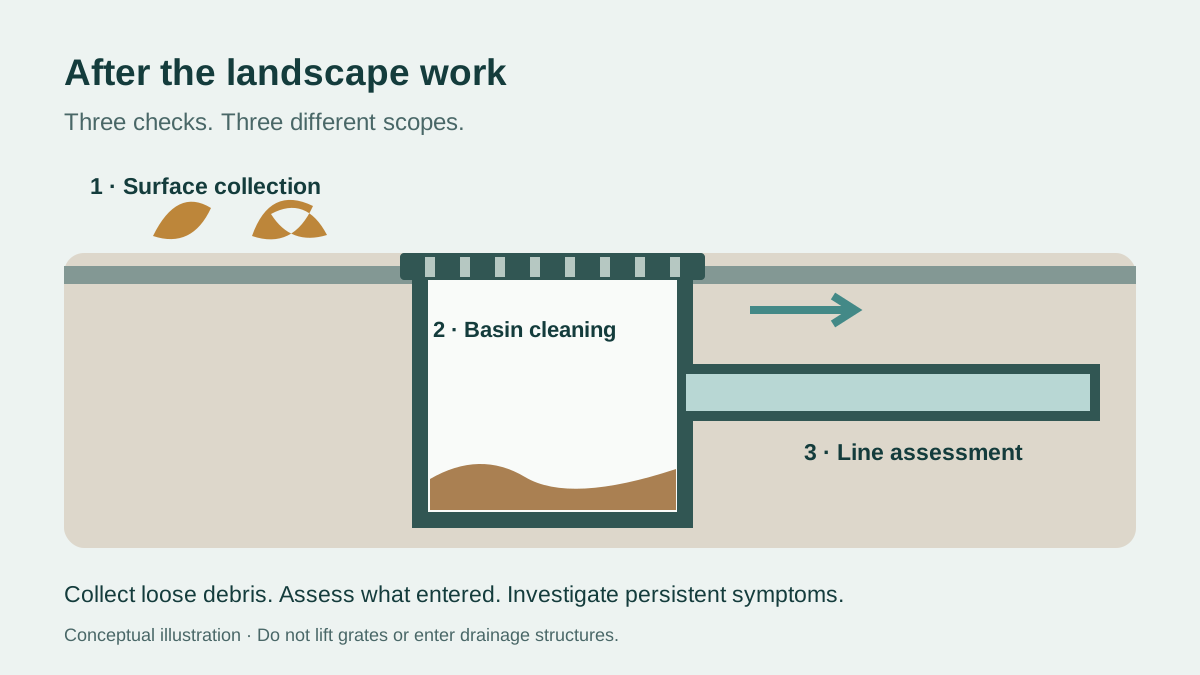
Fresh planting beds, hedge trimming and fall leaf collection can leave soil, mulch and organic debris near parking-lot drains. A tidy surface at handover does not tell a property manager whether material has already entered a catch basin. Before signing off on grounds maintenance, check the drainage path and record anything that needs a separate service visit.
For active water threatening a building, keep people away from the affected area and call to discuss service availability. Do not rely on the planned-service form for urgent response. For immediate danger to people, contact emergency services.
Why landscape handover is a useful drainage checkpoint
Fall leaves can cover an inlet while soil and small debris accumulate below it. In the Lower Mainland, preparing for repeated rain means looking at both locations rather than waiting until water reaches a doorway. Coquitlam's flood-protection guidance recommends keeping catch basins clear of leaves and debris and raking leaves in fall. That supports surface care; it does not establish a mandatory private-property cleaning interval.
A post-landscaping check is especially useful after bed replacement, soil delivery, pruning, irrigation repairs or work beside a low parking area. It is a condition-based check, not a claim that every landscaped property needs a vacuum truck. Keep the existing property maintenance schedule, but bring forward assessment when new material or a new symptom warrants it.
Separate three jobs before requesting a quote
1. Collect material still on the surface
Ask the grounds crew to remove loose soil, mulch and leaf piles from paved flow paths and dispose of them appropriately. Do not blow leaves toward the street or wash debris into the grate. Avoid stockpiling material beside a drain where rainfall or irrigation can move it back. Safe surface cleanup and below-grate maintenance are different tasks.
2. Assess debris already inside the catch basin
From safe, dry ground, note visible material and the drain location. Do not remove covers or reach through grates. A service crew can assess access and the appropriate method for recovering accumulated material. Ask the quote to identify the specific basins included rather than assuming “landscape cleanup” covers drainage structures.
3. Investigate a connected line only when needed
If the basin has been cleaned but drainage remains slow, the next question is about the outlet and connected system. Hydro jetting or line flushing may suit an accessible pipe restriction. Camera inspection or private-line locating may help investigate repeated problems or an uncertain route. Neither is automatically justified by leaves around the grate.
What to record on a post-work walkthrough
- Work area: identify which planting bed, delivery area or tree zone was maintained and which nearby drains could receive runoff.
- Surface condition: photograph loose material and blocked slots from a safe location. Do not stand in traffic or floodwater for a better view.
- Symptoms: note whether water ponds only during rain, remains after rain, or bypasses a clear grate. Include any change since the landscape work.
- Previous service: record the last basin-cleaning date and whether connected lines were included.
- Access: identify parked vehicles, gates, newly installed edging and equipment approach constraints.
Use the printable storm-drain maintenance record to keep drain IDs and observations together. Avoid assigning blame from a photograph alone: pre-existing sediment, a downstream restriction or a grading issue can also explain a drainage complaint.
Coordinate landscapers, residents and the drainage crew
Where practical, collect loose surface debris before below-grate cleaning so newly swept material does not immediately refill the structure. A known blockage should not wait for every leaf to fall. Agree on the sequence with the service provider based on condition, weather and access rather than imposing a universal “clean once after leaf season” rule.
For strata sites, identify the person authorized to approve drainage work and coordinate resident parking or vehicle access. For commercial sites, include tenant deliveries and customer routes. Preserve fire access. Do not assume a vacuum truck can reach every courtyard or enter a parkade; send access information so equipment suitability can be confirmed.
Confirm whether the structure is privately maintained. A grate near a property boundary does not prove ownership. Use site records and the municipality's reporting channel for suspected public-road drainage problems; this service brand is not a municipal utility.
When cleaning alone will not resolve the problem
New edging, altered grades or a raised planting bed can change where water travels. If runoff bypasses a clear inlet, request an assessment of the surface route rather than repeatedly cleaning the same basin. Broken grates, settlement and suspected pipe damage also need separate evaluation. Cleaning cannot increase drainage capacity or guarantee that flooding will not recur.
If material appears oily, chemically contaminated or otherwise unusual, stop routine cleanup and identify it before service so handling requirements can be assessed. Keep fertilizers, pesticides and wash water out of storm drains. Never enter a basin, open electrical equipment or approach water that may be in contact with electricity.
Send a focused catch basin service request
Name and phone are enough to start. Optional details that help scope the job include the site address, city, number of affected drains, type and date of landscape work, symptoms, safe photos and preferred access window. Share private access codes only through an agreed direct channel, not in public notices or photographs.
Discuss private-property work in Port Coquitlam, Coquitlam, Burnaby, Surrey and Richmond, plus other listed Lower Mainland service areas. Availability, scope and equipment access are confirmed for each property. For ongoing coordination, see commercial and strata drainage maintenance.
Common questions after landscape work
Should we pressure-wash soil into the drain?
No. Collect it instead. Washing material into the inlet can transfer the cleanup problem below ground and introduce pollutants into the drainage system.
Does a clear grate mean the basin is clean?
No. Surface appearance does not confirm the sediment condition below it or the state of the connected pipe. Use service records and an appropriate assessment rather than lifting a cover yourself.
Do we need to wait until all the leaves have fallen?
No. Address known restrictions when found and continue safe surface checks as more leaves arrive. The appropriate below-grate service timing depends on actual condition and site history.
Source and scope
City of Coquitlam: Flood Protection and Catch Basins supports the fall leaf-clearing and waterway-protection guidance. It does not prescribe a private landscape-handover procedure or endorse this service. No current storm warning or guaranteed response time is implied.
Landscape work finished?
Check what was left at the drain.
Tell Lowermainland Catch Basin Service where material collected and how the water is behaving. Start with the observed problem, not a preselected repair.