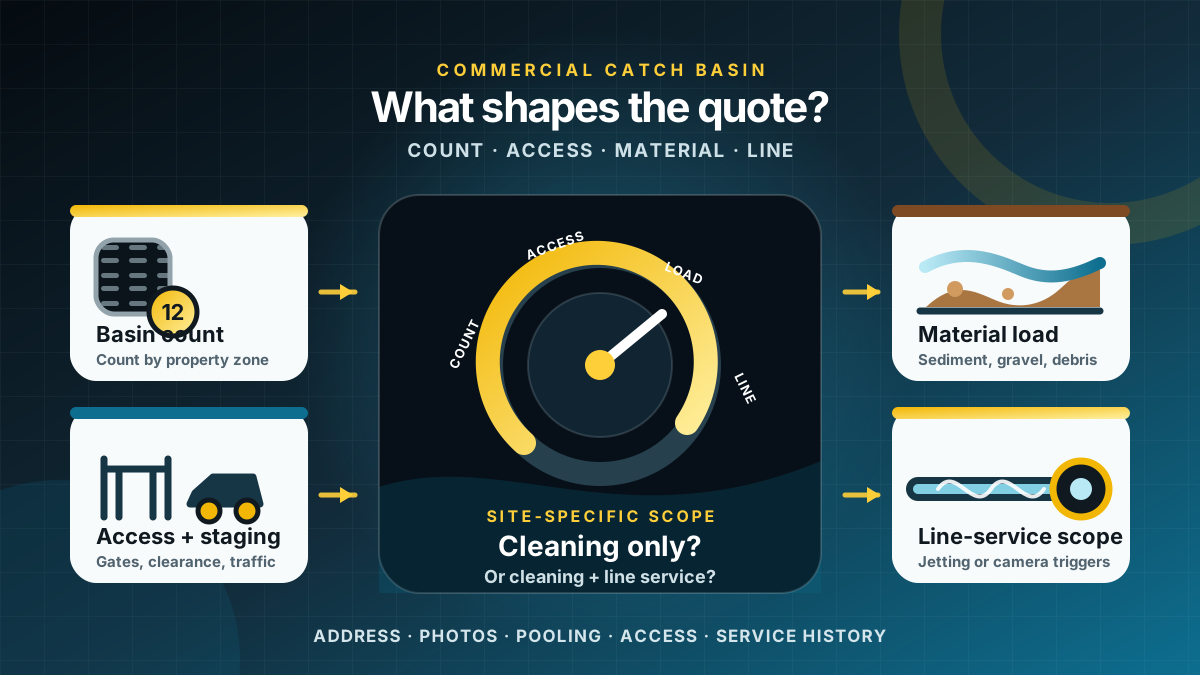
Property managers often search for a catch basin cleaning price because they need a budget number quickly. The difficulty is that two properties with the same number of grates can require very different work. One may be an open surface lot with light sediment and simple truck access. The other may include a locked loading yard, a low-clearance parkade, several full sumps and a storm line that still holds water after the basins are emptied.
Why a flat online catch basin price can be misleading
A catch basin grate only shows the entry point. The work happens in the sump below and, when flow remains restricted, in the outlet or downstream private storm line. A quote based only on “price per basin” can miss the conditions that determine how the visit must be planned.
The most useful comparison is not the lowest unexplained number. It is whether each quote is based on the same site scope: the same drain count, the same access constraints, the same known material, and the same understanding of whether line flushing or camera inspection may be required. If those details differ, the quotes may not be comparing the same work.
1. Basin and drain count sets the starting scope
The approximate number of catch basins, trench drains, parkade sumps and low-point grates helps establish the size of the route through the property. Count by zone rather than sending one total when possible:
- Exterior parking lots: note front, rear and overflow lots separately.
- Loading and industrial areas: identify loading-bay drains, yard basins and truck-gate low points.
- Parkades: list the entrance ramp, trench drains, floor drains and each affected level.
- Multi-building sites: group drains by building, lane, courtyard or service road.
Also note whether several drains appear to share one outlet. If multiple basins back up at the same time, the issue may extend beyond the individual sumps. A simple site sketch, marked aerial image or set of labelled photos can make the count much more useful.
2. Access and service-truck staging can change the plan
An open lot is different from a busy retail plaza, gated industrial yard or underground parkade. The crew needs a safe route to the drain and a workable location for the service vehicle. Access details that help define the scope include:
- Gate codes, keys, fobs, security check-in or escort requirements.
- Distance from practical truck staging to the basins or trench drains.
- Parkade entrance height, overhead obstructions, ramp slope and turning room.
- Delivery schedules, tenant traffic, school activity or customer peak periods.
- Whether parked vehicles, bins, trailers or stored material must be moved first.
- Traffic-control or site-specific safety requirements already known to the property team.
Do not assume a low-clearance parkade can be serviced the same way as an exterior lot. Use the parkade drain cleaning service guide to gather entrance, level and clearance details before requesting work.
3. Sediment depth and material type affect the cleaning scope
Catch basins are designed with a sump below the outlet so heavier material can settle instead of continuing down the storm line. As that sump fills, there is less storage capacity for new sediment. The amount and condition of material therefore matter more than what the grate looks like from above.
Useful observations include visible leaves, needles, gravel, road grit, soil, washdown residue, construction sediment, litter or a high water line. A basin with a light loose layer is not the same scope as one packed with dense sediment or unknown material. Industrial yards, construction-adjacent lots and gravel transitions can create heavier loads than a clean paved property.
Do not remove heavy covers or enter a catch basin to measure it. Take safe surface photos and describe what can be seen. If the contents are unknown or the site has had an unusual spill or process discharge, disclose that before service so the situation can be reviewed rather than guessed at from a photo.
4. Cleaning the basin may not clear the storm line
Catch basin cleaning removes water, sediment and debris from the sump. It does not automatically mean that a restricted outlet or downstream line has been cleared. If the basin is emptied but water stays high, returns quickly, or several connected drains back up together, the quote may need a second service component.
- Hydro jetting or line flushing: worth discussing when the outlet is slow, sediment may have moved into the line, or multiple drains share the same backup.
- Camera inspection and locating: useful when a problem repeats after cleaning and jetting, the route is unknown, or repair planning requires evidence.
- Drainage repair planning: may be the next step if inspection identifies a damaged, offset, collapsed or poorly graded section.
The cleaning versus hydro jetting guide explains how the symptom changes the service decision. Asking for “cleaning, with advice on line flushing if the outlet remains slow” is more useful than assuming every drain needs every service.
5. Scheduled maintenance and active-water calls are different scopes
Planned maintenance gives the property team time to move vehicles, arrange gate access, group drains and choose a workable service window. Active water near a building, parkade entrance, loading route, electrical room or tenant area needs phone triage first because the immediate risk and equipment plan may be different.
The time window also matters. A property that can provide open daytime access is easier to plan than a site limited to a short period between deliveries or tenant movements. Send the real operating constraint rather than asking for an after-hours visit by default. For active flooding or water moving toward a sensitive area, use the urgent storm drain guidance and call first.
6. One isolated basin and a full property route quote differently
Property managers can often improve scope clarity by grouping known drainage work into one planned visit. A commercial site may include exterior catch basins, a loading-bay trench drain, a parkade ramp and one repeat slow outlet. Listing the whole route lets dispatch understand whether the request is a single structure, a maintenance circuit or a cleaning-plus-diagnostic visit.
That does not mean adding work that is not needed. It means identifying related drains so they can be assessed as one drainage path. For repeat service, a commercial catch basin maintenance plan can record which basins fill fastest and which lines have needed flushing before.
7. Site history reduces uncertainty
Previous service notes can answer questions that a new photo cannot. Include the last known cleaning date, which basins were full, whether jetting was performed, and whether standing water returned afterward. If paving, landscaping, construction, sweeping or washdown activity occurred since the last visit, mention it.
A site with a reliable basin map and past service record is easier to scope than a property where the drain count, outlet route and problem history are unknown. If records are limited, say so. An honest “count is approximate and the downstream route is unknown” is more useful than a confident guess.
What to compare when reviewing commercial cleaning quotes
Before comparing totals, check that each provider received the same information and that the proposed scopes answer the same questions:
- Which catch basins, trench drains or sumps are included?
- Is the quote for basin cleaning only, or does it also include any line flushing?
- How are unknown or unusual site conditions handled before work expands?
- What access window and truck-staging assumptions were used?
- Does the scope identify which repeat problems may need camera inspection?
- What site details or preparation must the property manager complete first?
A clear scope helps avoid comparing a routine sump-cleaning visit with a broader cleaning, jetting and inspection plan as if they were identical.
Exact details to send for a useful quote
Use this short checklist before you request catch basin service:
- Commercial, strata or industrial property address and city.
- Approximate count by zone: exterior basins, parkade drains, loading-bay drains and trench drains.
- Wide and close photos showing the drain, nearby slope, standing water and access route.
- What is visible: leaves, sediment, gravel, litter, washdown material or unknown contents.
- Whether the issue is scheduled maintenance, slow drainage, repeat backup or active water.
- Where water pools and what it could reach: doors, ramps, loading areas, tenant spaces or equipment.
- Gate, clearance, staging, traffic and preferred service-window notes.
- Previous cleaning, jetting, inspection, construction or paving history if known.
For a copy-ready request template, use the catch basin cleaning quote-prep checklist.
Example request that gives enough information to scope
This note does not try to diagnose the line remotely. It gives dispatch the details needed to discuss a realistic site scope.
Lower Mainland location details still matter
Include the exact property address even when the request says “Lower Mainland.” Commercial sites in Port Coquitlam, Burnaby, Richmond, Surrey and Vancouver can have very different access, parking, parkade and loading-area conditions. The address helps identify travel and staging context without guessing from the city alone.
Also confirm whether the problem drain is on private property. A catch basin in a public street may need to be reported to the municipality rather than quoted as private-property service.
FAQ: catch basin cleaning cost and quote scope
Can I get an exact catch basin cleaning price from photos?
Photos can clarify the property layout, visible sediment, pooling and access, but they may not show the depth of material or condition of the outlet line. Send photos with a basin count, address and service history; dispatch can then say what else is needed to confirm the scope.
Does a higher basin count always increase cost at the same rate?
Not necessarily. Drain count matters, but access, material load, distance between zones and whether some drains need different equipment or line service also affect the visit. That is why a site map and zone-by-zone count are more useful than one total.
Is hydro jetting included with catch basin cleaning?
Do not assume it is. Basin cleaning and line flushing solve different parts of the drainage path. Ask the quote to state whether it covers sump cleaning only or also includes any outlet or storm-line flushing.
What if the basin was cleaned but still holds water?
The outlet or downstream line may still be restricted, or the drainage system may have another defect. Review the cleaned basin still holding water guide and provide the cleaning date, which drains are affected and whether the water returns immediately or only during rain.
When should I call instead of using the request form?
Call when water is active or moving toward a building, parkade entrance, loading route, electrical or mechanical area, tenant space or other sensitive location. Use the online form for planned cleaning, quote preparation and non-active repeat problems.
Turn the price question into a quote-ready site scope
The fastest path to a useful commercial catch basin cleaning quote is not an online number with no context. It is a clear property address, drain count, access plan, photos, sediment observations, service history and an honest note about whether the issue is scheduled or active.
Need a site-specific scope?
Send the basin count, photos, access notes and pooling locations.
Lower Mainland Catch Basin Service helps commercial, strata and industrial properties plan catch basin cleaning, storm line flushing, camera inspection and drainage repair follow-up based on the confirmed site conditions.