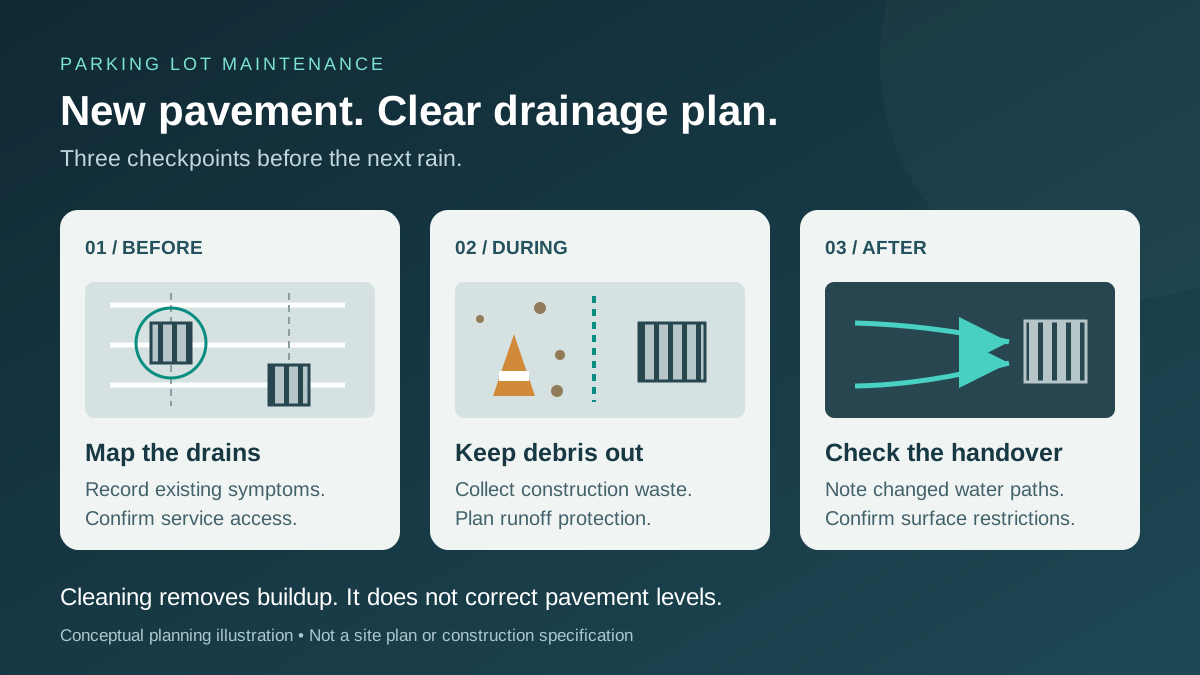
Repaving, asphalt patching and curb work create a useful checkpoint for commercial and strata drainage. Existing sediment may already be inside a catch basin. Construction debris can create a new problem. A change in pavement level can also send water past a drain that was working before.
Before paving: record the problem you already have
Walk the site from safe, dry areas with the property manager or contractor. Mark each privately maintained drain on a simple plan. Record recurring ponding, the last cleaning date and any previously reported pipe problems. Photographs taken before work can help distinguish an existing symptom from a change noticed afterward; they do not establish fault by themselves.
- Identify the structures: count catch basins and trench drains separately, and note damaged or inaccessible covers.
- Check the history: was the last visit basin cleaning only, or did it include the connected storm line?
- Plan access: confirm gates, parking restrictions, traffic control and a suitable service-vehicle approach.
- Clarify scope: list which drains need assessment and which pavement or drainage repairs belong to the paving contractor or another qualified specialist.
If sediment accumulation or an existing restriction warrants cleaning, discuss doing it before paving restricts access. Do not postpone a known drainage problem simply to combine it with a later visit. Use the storm-drain maintenance worksheet to preserve the baseline.
During the work: keep construction material out of drains
Assign responsibility for collecting loose grit and debris rather than sweeping or washing it into grates. Ask the contractor how runoff and inlet protection will be managed while milling, cutting, patching or working around concrete. Temporary protection must suit the site and weather; an improvised blocked inlet can redirect water toward a building.
Coquitlam's storm-drain guidance advises keeping dirt, paint and wet concrete away from storm drains during construction. This is an environmental precaution, not proof that a particular paving project needs a permit or a prescribed cleaning method. Confirm project-specific requirements with the contractor and relevant municipality.
Do not ask routine line flushing to dispose of asphalt fragments, slurry, sealant or unknown construction waste. Identify any unusual material before service so recovery and handling can be assessed. Suspected spills or contaminated runoff need the appropriate site response and municipal or provincial reporting channel—not a hose aimed at the drain.
At handover: distinguish debris from a level problem
Ask the contractor to confirm the status of temporary inlet protection and completion cleanup. Covers must remain accessible and suitable for their location. Keep people away from open or damaged structures; property staff should not lift heavy grates or enter a basin to check the work.
Record what happens during subsequent rain from a safe location. Use observations, not deliberate flooding or washing waste into the system, to describe the symptom:
- Loose material covers the grate: arrange safe surface collection and assess whether material also entered the basin.
- Water reaches a clear inlet but drains slowly: discuss basin condition and the connected outlet with the drainage provider.
- Water bypasses the inlet or ponds beside new asphalt: ask for a pavement-level and drainage-route assessment. Repeated vacuum cleaning may not address the cause.
- Several drains back up together: report the pattern; it may require investigation beyond a single basin.
Tell the service provider how recently the lot was paved. Obtain the paving contractor's approval for vehicle loading, equipment staging and access on the new surface; do not assume a fixed waiting period suits every pavement product or site.
When jetting or camera inspection belongs in the quote
Hydro jetting or line flushing may be appropriate for a suitable, accessible pipe restriction. Camera inspection and private-line locating can help investigate repeat backups, suspected damage or uncertain routing. Visibility and access affect what an inspection can establish.
Neither service should be added automatically because asphalt work occurred. Ask for a staged scope: assess the basin, address recoverable buildup, then investigate unresolved symptoms as appropriate. Damaged pipes, settlement or changed grades may require separate drainage repair assessment. Cleaning does not increase a system's designed capacity or guarantee that flooding cannot recur.
Why this matters before Lower Mainland fall rain
Fall leaves can arrive soon after a paving cleanup and obscure the drain again. Coquitlam recommends keeping catch basins clear of leaves and debris and checking them periodically. Combine safe surface checks with your existing commercial or strata maintenance plan; do not treat project handover as the end of drainage upkeep.
If water is actively threatening a building, keep people away from floodwater and electrical hazards and call to discuss service availability. Do not wait for a planned-service form response. For immediate danger to people, contact emergency services. Report suspected public-road drainage problems to the municipality; a drain beside a property boundary is not automatically privately maintained.
What to send with a paving-related service request
Start with your name and phone number. Helpful optional details include the site city and address, drain count, work dates, material involved, symptoms before and after paving, safe photographs and access restrictions. Identify the person authorized to approve drainage work. Confirm availability, equipment suitability and scope before coordinating the service window with the paving crew.
Discuss work in Port Coquitlam, Coquitlam, Burnaby, Surrey and Richmond, plus the other listed Lower Mainland service areas.
Common questions
Should every basin be cleaned twice for a paving project?
No. Decide from condition, previous service, work scope and post-work observations. Protecting drains during construction is still necessary even when cleaning is planned afterward.
Can jetting remove hardened concrete or fix the asphalt slope?
Do not assume so. Tell the provider exactly what entered the structure. Hardened material and changed surface levels need an appropriate specialist assessment, not a promise that routine flushing will solve them.
Can a vacuum truck drive onto the fresh asphalt?
Only after access and surface restrictions are confirmed with the paving contractor and service provider. Share staging options before booking.
Sources and scope
City of Coquitlam: Flood Protection and Catch Basins supports the seasonal debris and drainage guidance. City of Coquitlam: Help Keep Coquitlam's Waterways Clean with Storm Drain Marking supports keeping construction pollutants out of drains. Neither source endorses this business or prescribes the project sequence above. This is service-planning guidance, not an engineered drainage design or a statement of current storm conditions.
Paving scheduled or recently completed?
Scope the drainage work before the next rain.
Tell Lowermainland Catch Basin Service what is changing, which drains are affected and when the site is accessible.