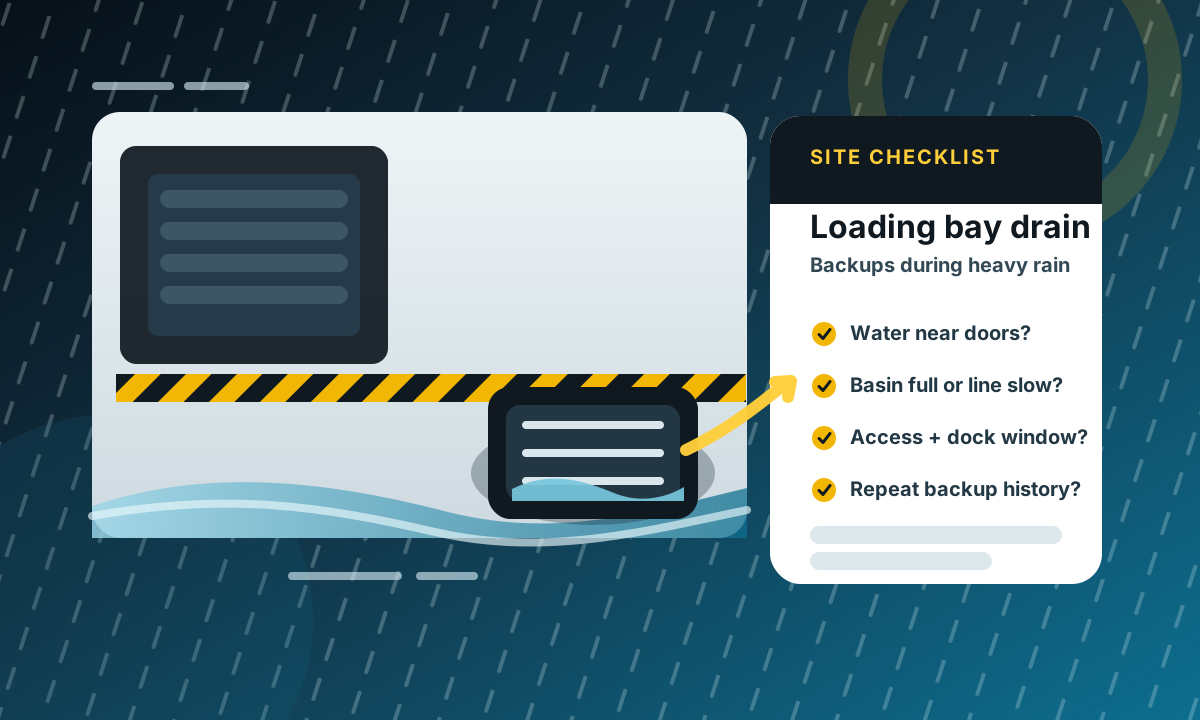
A loading bay is one of the worst places for storm water to back up. It is usually a low point, it handles roof runoff and pavement runoff, and it often collects sediment from trucks, pallets, sweepings, gravel, leaves and packaging debris. When the drain slows during a Lower Mainland rain event, water can move toward overhead doors, warehouse floors, tenant stock, electrical rooms, loading dock pits and pedestrian routes.
Why loading bay drains back up faster than normal parking lot drains
Loading bays are built to move water away from working doors and truck routes, but they also collect more material than a typical parking stall drain. Trucks track in road grit. Forklifts and pallet traffic push debris toward the low point. Landscaping, roof runoff, swept sediment, leaves, gravel and packaging waste can all end up at the grate. If the catch basin sump is already partly full, one heavy rainfall can overwhelm the remaining capacity.
Some loading bays also have trench drains, area drains and exterior catch basins tied into the same private storm line. That means the visible grate may not be the only issue. Water can back up because the basin is full, the outlet is restricted, the downstream line is holding sediment, or several connected drains are sending water into one slow section of pipe.
First triage: is this an active-water call or a scheduled service request?
Use the online form for planned cleaning, maintenance notes and non-urgent quote details. Phone first when water is already moving toward a building or business-critical area. Loading bays are operational zones, and standing water can create slip hazards, block deliveries, damage inventory or push into tenant spaces.
- Phone first: water near dock doors, warehouse floors, electrical rooms, mechanical rooms, elevator lobbies, tenant entrances, accessibility routes, inventory, loading dock pits or active vehicle routes.
- Request online: slow drainage after rain, visible sediment in a basin, planned pre-rain cleaning, annual maintenance, or a known repeat problem that is not currently threatening the building.
- Send photos if safe: include the grate, water line, nearby doors, access route and any sediment fan. Do not remove heavy covers or enter restricted drainage spaces.
If the problem is urgent, the emergency storm drain cleaning page explains what to have ready for dispatch: address, water location, access notes and what the water is threatening.
The property manager checklist before booking loading bay drain service
1. Identify every drain involved, not only the worst grate
List trench drains, loading dock drains, nearby catch basins, exterior lot drains and any low-point grates that share the same area. A single overflowing grate may be the symptom, while the actual restriction is a downstream outlet serving several drains.
2. Describe where the water goes
“Loading bay drain slow” is less useful than “water pools at the south dock and moves toward Door 3 after 20 minutes of heavy rain.” Note whether water stays outside, enters the building, blocks a ramp, reaches tenant doors or threatens inventory. This helps prioritize the response and decide whether a phone call is needed before a scheduled request.
3. Note the likely debris source
Loading areas can fill with different material than normal parking lots. Mention if the bay collects leaves, gravel, concrete dust, landscaping soil, cardboard, pallet debris, oil-absorbent material, washdown sediment or construction runoff. This does not replace inspection, but it helps the crew think beyond a basic grate cleanout.
4. Include access, staging and timing constraints
Commercial sites often need a narrow work window. Include gate codes, business hours, delivery blackout periods, truck staging space, dock clearance, strata or tenant notice requirements, hose routing distance and whether the bay must stay open for deliveries. Good access notes can prevent a routine call from becoming a delayed second visit.
5. Check whether the basin is full or the line is slow
If the catch basin sump is full of sediment, catch basin cleaning is usually the first practical step. If the sump has been cleaned but water still sits high, drains slowly, or backs up again during moderate rain, the outlet line may need hydro jetting / line flushing.
6. Track repeat backups after cleaning
A drain that backs up once after a long period without maintenance may simply be full. A drain that backs up repeatedly after cleaning and jetting may need camera inspection and locating to document roots, pipe bellies, offset joints, crushed pipe, construction debris or a repair location.
When catch basin cleaning is enough
Cleaning is often the right first step when the grate area shows leaves, sediment, trash or a full sump. A catch basin is designed to collect material before it enters the storm line. Once the sump fills, water has less room to settle and may push debris toward the outlet. The result is slow drainage, ponding and backups during rain.
For a commercial loading bay, cleaning should be scoped with the whole drainage zone in mind. Nearby parking-lot basins, ramp drains, garbage-area drains and trench drains may all contribute to the same problem. Use the loading bay drain cleaning request page to send access, drain-count and pooling notes; use the commercial catch basin maintenance scope when the visit should include the wider property.
When hydro jetting should be added
Hydro jetting targets the pipe, not just the basin. It is worth discussing when water remains high after a basin is cleaned, when several drains along the same run are slow, when sediment keeps returning to the same grate, or when the loading bay floods even though the visible sump does not look full.
Line flushing is especially relevant for loading areas with heavy sediment, older private storm lines, long flat runs, or recent construction and paving activity. If material has moved beyond the catch basin, cleaning the basin alone may improve capacity without fully restoring flow.
When camera inspection or repair planning is the next move
A camera inspection can help when the same loading bay keeps backing up after normal maintenance, when a downstream route is unknown, or when property owners need documentation before approving repairs. The camera may show roots, a belly in the line, a broken section, an offset joint, debris that jetting cannot clear, or a connection that does not match old site drawings.
If the inspection finds a physical defect, the next conversation may shift to drainage repair planning. That does not mean every slow drain needs excavation. It means repeat problems should be documented before the site keeps paying for emergency response without understanding the cause.
Lower Mainland loading bay situations that deserve extra attention
Drainage risk changes by property type and city. Industrial yards in Surrey and Delta, older commercial properties in Burnaby and New Westminster, flat sites in Richmond, and busy strata or commercial buildings in Port Coquitlam, Coquitlam and Port Moody may each need a slightly different service plan.
The common pattern is the same: the drains closest to building openings, loading doors, pedestrian routes and inventory should be prioritized before low-risk parking areas. If the loading bay has flooded before, do not wait for the next long rain system to confirm the pattern.
A sample request note for a loading bay drain backup
This type of note gives enough information for practical triage without pretending to diagnose the cause from a distance.
What to send before you request service
Before you request service, gather the details that help dispatch understand scope and access:
- Property address, city and loading bay entrance location.
- Approximate number of loading bay drains, trench drains and nearby catch basins.
- Photos of pooling, sediment, grates, dock doors and safe access routes.
- Whether water is active now, drains slowly after rain, or only backs up during heavy rain.
- What the water threatens: doors, tenant spaces, inventory, electrical/mechanical rooms or active traffic routes.
- Access notes: gate codes, delivery windows, dock clearance, truck staging space and tenant notice needs.
- Recent maintenance, sweeping, paving, landscaping, construction or previous cleaning and jetting history.
FAQ: loading bay drain backups
Can a loading bay drain be cleaned without cleaning the whole site?
Sometimes, but a loading bay backup is often connected to nearby catch basins or downstream storm lines. If several drains share the same outlet, cleaning only one grate may leave the underlying restriction in place.
Should I ask for hydro jetting immediately?
Ask about jetting when the basin has already been cleaned, water remains high, or the backup returns after moderate rain. If the sump is visibly full, cleaning may be the first step before line flushing is confirmed.
When is a camera inspection worth it?
Use camera inspection for repeat backups, unknown storm-line routes, repair decisions, or situations where cleaning and jetting have not solved the same problem. The cleaned-but-still-holding-water guide explains those triggers in more detail.
Is a loading bay drain issue an emergency?
It can be. Phone first if water is active near doors, inventory, tenant spaces, electrical or mechanical rooms, loading dock pits, accessibility routes or busy vehicle paths. Use the online form for planned service and non-urgent maintenance requests.
Do not wait until the next rain exposes the same low point
Loading bay drain backups are high-intent maintenance problems because they are close to building operations. A planned service request with good details can help prevent a slow drain from becoming a flooded dock, delayed delivery or tenant complaint.
Loading bay drain backing up?
Request catch basin cleaning, jetting or inspection with clear site notes.
Lower Mainland Catch Basin Service helps commercial, strata and industrial properties with catch basin cleaning, storm drain maintenance, hydro jetting / line flushing, camera inspections, private drainage locates and drainage repair coordination.