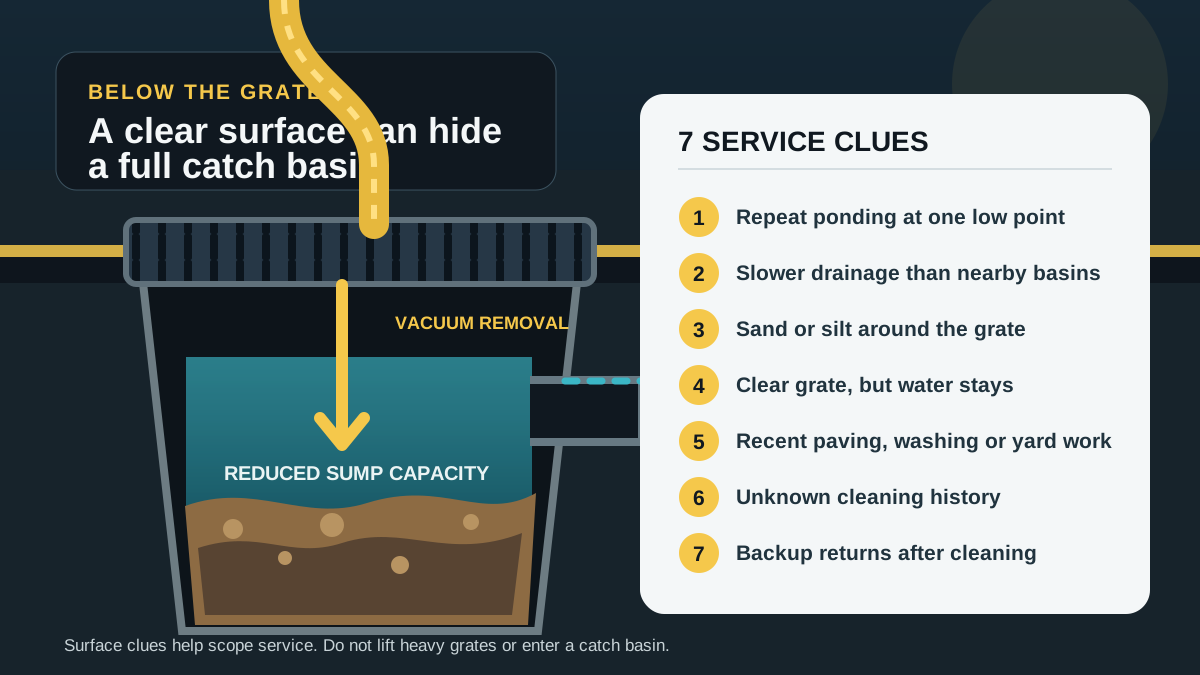
A catch basin does two jobs: it receives surface runoff and holds heavier material in a sump before water continues into the private storm line. Sweeping leaves off the grate helps water reach the basin, but it does not remove the sand, gravel, silt or sludge already stored below. When that buildup becomes significant, the practical next step is usually catch basin vacuum cleaning.
What does “full” mean for a catch basin?
A catch basin does not need to be packed to the grate to need attention. The important issue is whether accumulated material has reduced the sump’s useful holding space, reached the outlet area, or is contributing to slow drainage. Some water can remain in a basin by design, so standing water below the grate is not enough by itself to diagnose a blockage.
Property managers can record safe observations from the surface, but should not lift heavy grates, enter a basin or reach into a drain. A service crew can remove the cover with suitable tools, evaluate the material level and vacuum the basin safely. The seven clues below help decide when to make that call.
1. The same low point ponds after ordinary rain
Short-lived surface water during an intense downpour does not automatically mean a basin is blocked. The stronger warning is repeated ponding at the same catch basin after neighbouring drains have started clearing. That pattern suggests the grate, sump, outlet or connected line is accepting water more slowly than the surrounding system.
Note when the pooling starts, approximately how far it spreads, and how long it remains after rain eases. If water is moving toward a doorway, loading area, parkade ramp, pedestrian route or electrical space, call promptly rather than waiting for a dry-weather maintenance visit.
2. Water drains away much more slowly than it used to
A gradual change is easy to miss on a busy property. Compare the problem drain with earlier site notes or with similar nearby basins after the same rainfall. A location that once cleared quickly but now stays wet may have less available sump capacity, debris at the outlet or a downstream restriction.
A short, safely recorded video after rain can be more useful than a dry photo because it shows the direction and speed of surface flow. Do not stand in moving water or enter a traffic lane to document it.
3. Sand, gravel or silt keeps collecting around the grate
A visible fan of sediment around a grate shows that runoff is carrying material toward the basin. This is common near unpaved shoulders, landscaped slopes, construction activity, deteriorating pavement, winter sanding routes and industrial yards. Clearing the surface restores the opening temporarily, but the material already captured below still needs to be removed.
If sweeping produces another ring of grit soon afterward, record the source area as well as the drain. Reducing the incoming load through site housekeeping may extend the interval between cleanings, but it does not replace removal of the existing sump material.
4. Leaves are cleared but the drain remains slow
A leaf mat over the grate is a surface blockage. Carefully removing loose leaves from a safe position can help during rain, provided staff do not step into traffic or floodwater. If the grate is visibly open and water still stands around it, the issue may be below the surface.
That distinction is useful when requesting service: “The grate is clear but the catch basin still ponds” points toward basin cleaning or line troubleshooting rather than routine landscape cleanup. For active flooding and site-safety priorities, use the storm drain response guide and call with the exact location of the rising water.
5. A recent site activity moved debris toward the drainage system
Parking-lot sweeping, pressure washing, landscaping, paving, excavation and heavy vehicle traffic can move fine material toward low points. A grate may look clean after the work while heavier sediment has settled in the sump. Construction-adjacent and industrial properties can fill basins faster than a routine annual schedule assumes.
- After paving or repairs: check for loose aggregate and grinding residue near drains.
- After sweeping or washing: confirm debris was collected rather than pushed toward catch basins.
- After landscaping: look for soil, mulch or gravel trails leading to low points.
- After yard activity: note stockpiles, unpaved travel lanes and truck routes that shed sediment.
If the site has active industrial operations, use the more detailed industrial yard catch basin checklist when preparing the request.
6. The cleaning date is unknown and fall rain is approaching
An unknown service history is a practical reason to inspect and scope the system before sustained rain. Late summer provides better access for counting basins, moving parked vehicles, identifying high-risk drains and arranging a service window without an active flooding event.
Start with the basins protecting the highest-consequence areas: parkade ramps, below-grade doors, loading bays, customer entrances, waste enclosures and paved low points. For a larger site, a numbered photo set or simple marked map helps the crew and property manager refer to the same locations.
7. The basin was cleaned, but the backup returned
If vacuum cleaning removed the basin material but water still rises at the grate, the restriction may be beyond the sump. Debris can obstruct the outlet, or the connected storm line may contain sediment, roots, a displaced joint, a low section or another condition that cleaning the basin alone cannot resolve.
This is where the service decision changes. Hydro jetting versus catch basin cleaning explains the difference: vacuum work removes material from the structure; jetting flushes a restricted line; camera inspection helps document a recurring or uncertain pipe problem. A repeat backup should not be treated as proof of a specific defect until the line is properly assessed.
Vacuum cleaning, hydro jetting or camera inspection?
- Request catch basin cleaning first when sediment, gravel, leaves or sludge appear to be filling the sump, the service history is unknown, or several site basins need planned maintenance.
- Add hydro jetting or outlet flushing when a cleaned basin remains slow, the outlet is restricted, or a connected line is known to carry sediment.
- Request camera inspection for repeated backups, unknown routes, suspected damage or a repair decision that needs visual evidence after the line is clean enough to inspect.
- Request repair review when there is a broken grate or frame, settlement, a sinkhole, exposed damage or evidence that cleaning and flushing will not address the physical defect.
Do not assume every visit needs all three services. A clear symptom history lets the crew scope the likely first step while keeping additional work tied to what is actually found.
What to send with a Lower Mainland service request
A useful request can be short. Include:
- Property address and the best site entrance.
- Approximate number of catch basins or drains.
- The exact low point or problem zone.
- Whether the grate is clear and how long water remains after rain.
- Last known cleaning date and whether the issue returned after service.
- Parkade clearance, gate instructions, loading windows or parked-vehicle restrictions.
- Safe surface photos or video, with no need to open a grate.
For recurring commercial work, the commercial maintenance page outlines planned service. For a site-specific cleaning request, review Lower Mainland catch basin cleaning and send the basin count and access details through the service form.
Service areas
Catch basin and private storm-drain support is available for commercial, strata and industrial properties across the Lower Mainland, including Port Coquitlam, Coquitlam, Burnaby, New Westminster, Vancouver, Richmond, Surrey, Delta, Maple Ridge and Langley.
Book before fall rain
Seeing repeat ponding or an unknown cleaning history?
Send the property address, basin count, problem location, access window and safe photos. Lower Mainland Catch Basin Service can scope catch basin vacuum cleaning and, where the symptoms point beyond the sump, hydro jetting or camera inspection.