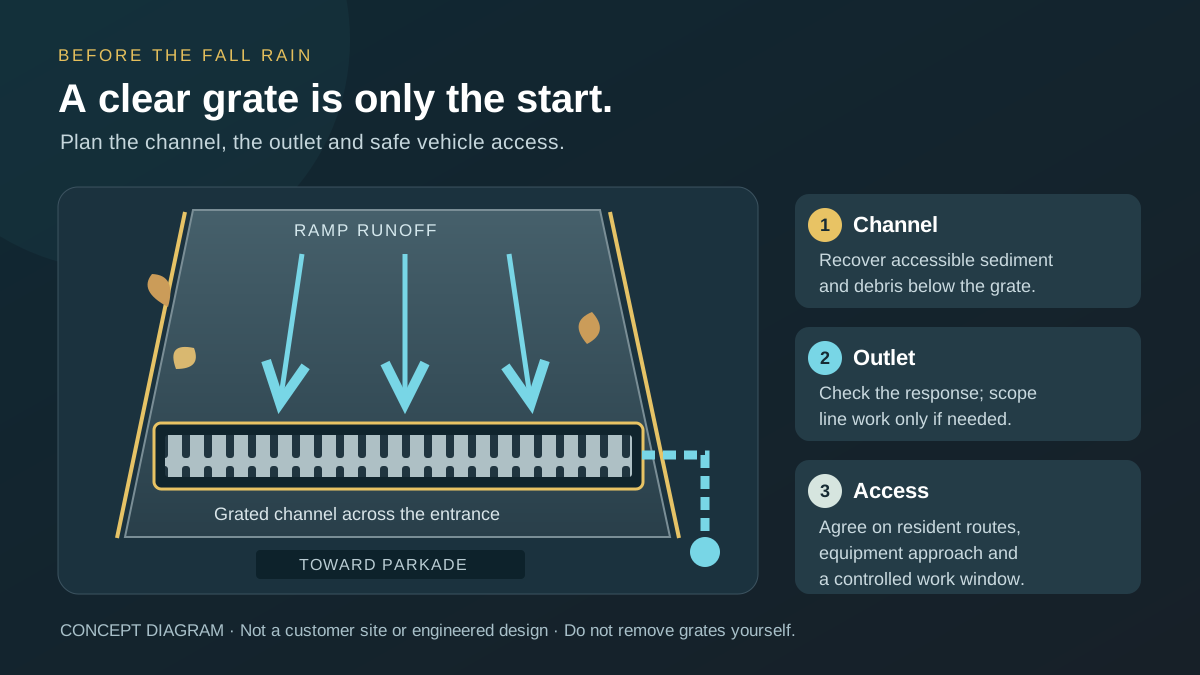
The long grate across a parkade entrance has a different cleaning scope from a single catch basin. Leaves can cover the inlet, sand can fill the channel beneath it, and a restricted outlet can leave the whole trench holding water. Simply clearing the visible grate may leave the underlying problem untouched.
If water is actively entering the parkade, keep people and vehicles out of the affected area and call (778) 312-3314 to discuss availability. The service request form is for planned work, not an emergency response channel.
Is it a trench drain, a catch basin or a pumped sump?
A trench drain, also called a channel drain, collects surface water along a narrow, grated channel. A catch basin is a separate collection structure that may retain sediment below its outlet. A ramp drain may connect to a catch basin, a private pipe or a pumped drainage system; the visible grate alone does not establish that route.
Use the building's drawings and maintenance records if available. Include known downstream structures in the request, but do not assume channel cleaning includes a pump, electrical control, oil interceptor or every connected pipe. For a broader below-ground site, see the parkade service-request checklist.
Four signs to record before booking
- Water crosses the grate instead of entering it. Note whether leaves cover the slots or whether water bypasses one end. An inlet obstruction and a grading problem can look similar from a distance.
- Sediment occupies the channel. Record what can be seen safely from above. Do not lift grates to measure the deposit.
- The channel stays high after the rain eases. A slow outlet, downstream restriction or another system condition may need investigation. Standing water alone is not a diagnosis.
- The same entrance backs up after cleaning. Provide the service date and what was actually cleaned. A channel-only visit is not evidence that the connected pipe or pump system was serviced.
Also report rocking covers, broken grate sections or settlement beside the channel. Isolate the damaged area; cleaning cannot restore a grate's load rating or correct a structural defect.
Separate three parts of the cleaning scope
A useful service record identifies the channel cleaned, any inaccessible section, material removed and the observed outlet response. Avoid an ambiguous “all drains done” note when only part of the entrance was accessible. Use the printable drain maintenance record to keep those observations with the site plan.
If a connected catch basin is loaded with sediment, vacuum catch basin cleaning may be part of the agreed scope. Do not wash channel debris into the outlet as a substitute for recovering it. Identify suspected oil, chemicals or unusual material before work so handling and disposal requirements can be assessed.
When do hydro jetting and camera inspection make sense?
Jetting addresses suitable accessible line restrictions, not every cause of ramp flooding. Repeated backups after cleaning, several connected drains rising together or uncertainty about the private pipe route may justify camera inspection or locating. Access, pipe size, bends and dirty standing water can limit what an inspection can show.
Ask which observation the proposed follow-up will resolve. For example: does the channel empty once sediment is removed, or does water remain at the outlet? The cleaning versus jetting guide explains the distinction. If a pump alarm or electrical fault is involved, arrange the appropriate pump or electrical specialist; do not enter water or open equipment to investigate it yourself.
Cleaning is not a capacity upgrade or a flood-prevention guarantee. Water that bypasses a clear inlet may require a separate assessment of grading, inlet condition, downstream capacity or the drainage design.
Plan access before closing a parkade ramp
A trench can span the only vehicle entrance. The property manager and service crew need a safe sequence before residents are told when access will change.
- Send the approach details. Include the ramp location, measured height restrictions, slope, gates, turning space and a possible equipment approach. Equipment suitability must be confirmed; do not assume a truck can enter the parkade.
- Agree on resident and emergency access. Identify how vehicles will be held or redirected and where pedestrians can pass safely. Do not designate a fire lane as equipment staging.
- Identify grate fastenings and condition. Send safe photos of visible bolts, frames or damaged sections. The crew must assess lifting, fastening and replacement needs; residents should not remove the covers.
- Coordinate the work window. Account for commuting peaks, deliveries, waste pickup and gate controls. Keep private entry codes out of public notices and photos.
- Record exclusions. Mark any channel length or downstream structure that could not be accessed, with a clear follow-up action.
Why plan this before repeated fall rain?
Lower Mainland fall maintenance is not just a one-time leaf pickup. More material can move toward the same ramp after a cleaning. Port Coquitlam advises keeping storm-drain entry paths clear and notes that many drains discharge to sensitive fish-bearing streams. Coquitlam likewise recommends clearing leaves and debris and raking leaves in fall.
Use the property's actual history to set inspection and service intervals. A tree-lined open ramp and a sheltered entrance need not share the same schedule. Arrange below-grate service when condition warrants it, then continue safe surface checks after leaf fall and rainfall. Do not delay a known problem simply to wait for the last leaves.
Only clear loose surface material when it is safe from dry ground and away from vehicles. Use a long-handled tool, not hands. Do not lift grates, enter chambers, work in traffic, step into floodwater or approach suspected electrical hazards. For immediate danger to people, contact emergency services.
Send a useful trench drain cleaning request
Name and phone are enough to start the form. These optional details help scope the work without asking you to diagnose the system:
- Site address, city and onsite contact.
- Approximate channel length and number of separate ramp drains; identify top, bottom or intermediate ramp locations.
- Where water collects, whether it crosses the grate and how the symptoms change after rain.
- Last cleaning date and known catch basin, outlet or pumped-system connections.
- Vehicle access restrictions, preferred working window and safe photos without faces, plates or private codes.
Discuss ramp and private drainage service in Port Coquitlam, Coquitlam, Burnaby, New Westminster, Surrey and Richmond, along with other listed Lower Mainland service areas. Scope, access and availability are confirmed for the property. For recurring work, use the commercial and strata maintenance path.
Common ramp-drain questions
Is pressure washing the ramp enough?
No. Washing the pavement does not establish that the channel and outlet are clear, and it can move grit or contaminated wash water into the drain. Coordinate surface cleaning and material recovery rather than using the drainage system for disposal.
Can the drain be cleaned without closing the entrance?
That depends on the channel layout, equipment approach and safe traffic controls. A single-entry ramp may need a controlled access window. Confirm the arrangement before notifying residents; do not assume traffic can cross an open work area.
Will a camera inspection fix the blockage?
No. Inspection gathers information. Cleaning, suitable line work or a separate repair may be needed to address the cause, and visibility can require cleaning first.
Sources and limits
- City of Port Coquitlam: surface debris and waterway protection
- City of Coquitlam: flood protection and fall leaf clearing
- City of Vancouver: safe surface-clearing practices
These municipal sources support surface-care, environmental and safety guidance. They do not specify private trench-drain service intervals, determine property responsibility or endorse this service.
Parkade ramp drainage
Start with the channel, the outlet and a safe access plan.
Send the ramp location and symptoms to Lowermainland Catch Basin Service. We can discuss the cleaning scope and whether connected-line work needs separate assessment.